
See.
Understand what is actually happening in the physical environment.
Sensors. Cameras. Machines. Equipment telemetry. Location. Identity. Existing enterprise data.
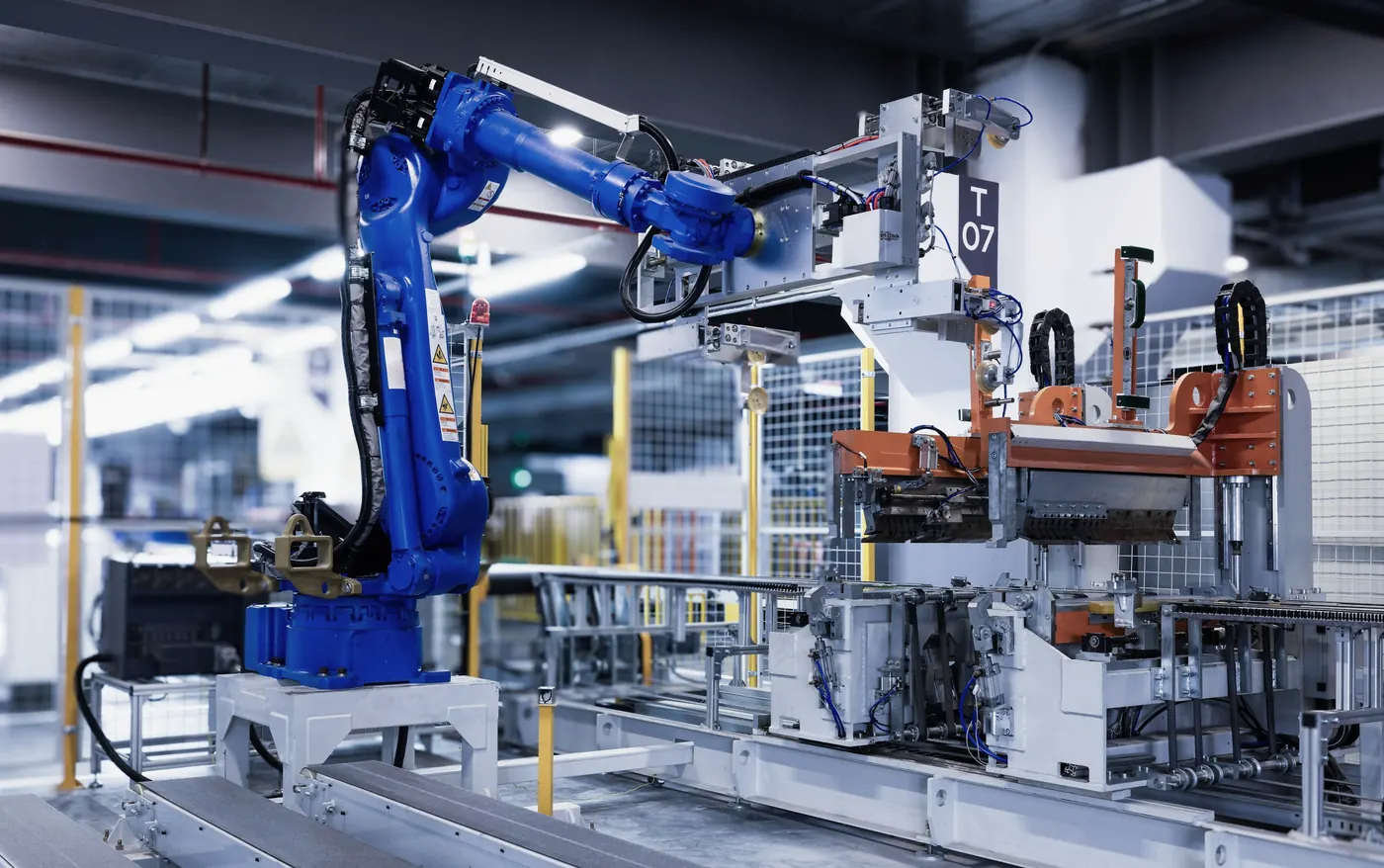
Physical-world automation
Detect what’s happening in the physical world and trigger the right response. From alerts to workflow changes to automated action.
Already in the field
The gap
Modern operations generate enormous amounts of data. But when something changes, a person still has to inspect, interpret, decide, coordinate, or physically respond. Touchpoint builds the missing system between knowing and doing.
That gap is where Touchpoint works.
The model
Understand what is actually happening in the physical environment.
Sensors. Cameras. Machines. Equipment telemetry. Location. Identity. Existing enterprise data.
Know what it means and what should happen next.
AI. Computer vision. Models. Rules. Historical context. Operating knowledge. Diagnosis. Decision logic.
Make the digital or physical response happen.
Update systems. Create work orders. Order parts. Schedule work. Dispatch people or equipment. Adjust equipment. Control a machine. Isolate an asset. Inspect autonomously. Clean. Repair.
What we build
We do not force the problem into a predetermined product. We combine the technologies required to solve the operation.
Where we work
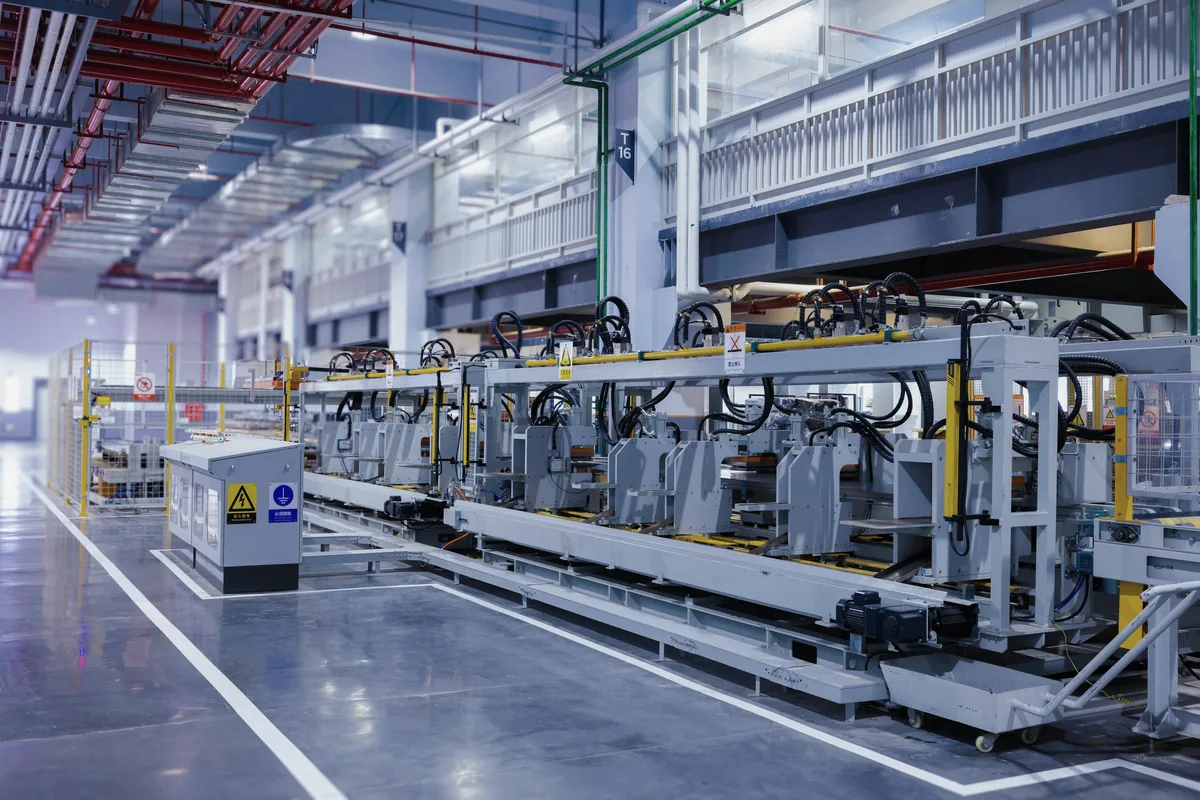
Walking the line for conditions no system acts on.
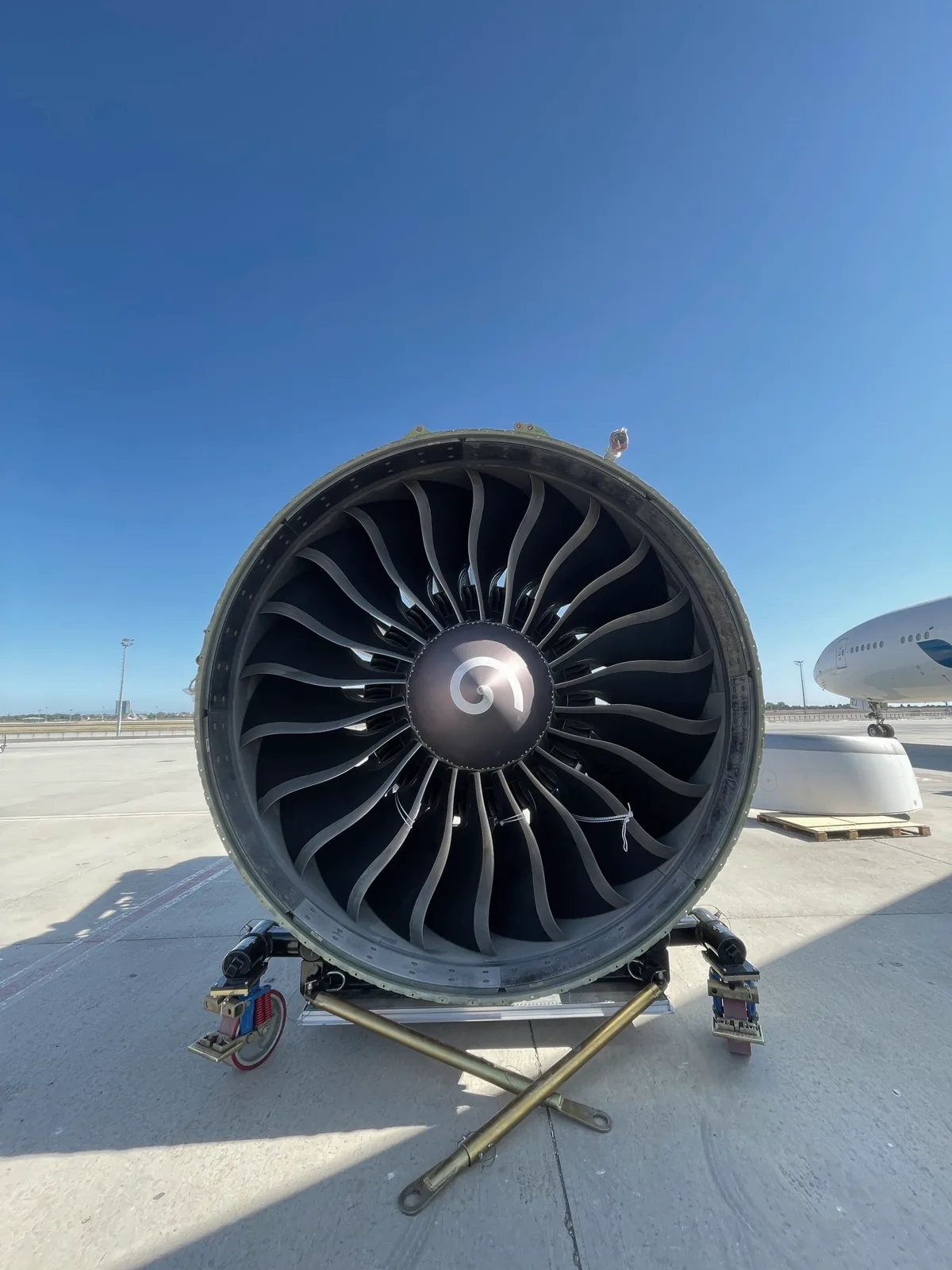
Deciding what an aircraft needs from a stack of disconnected systems.
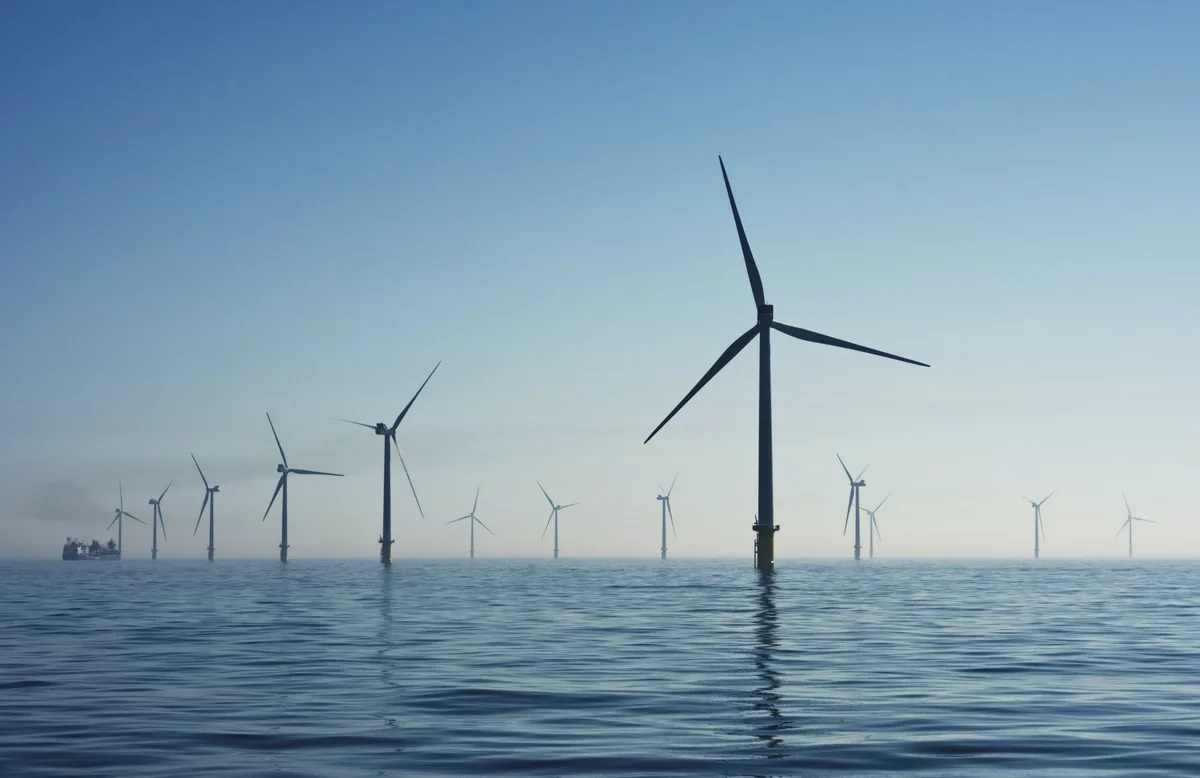
Chasing every abnormal reading across distributed assets.
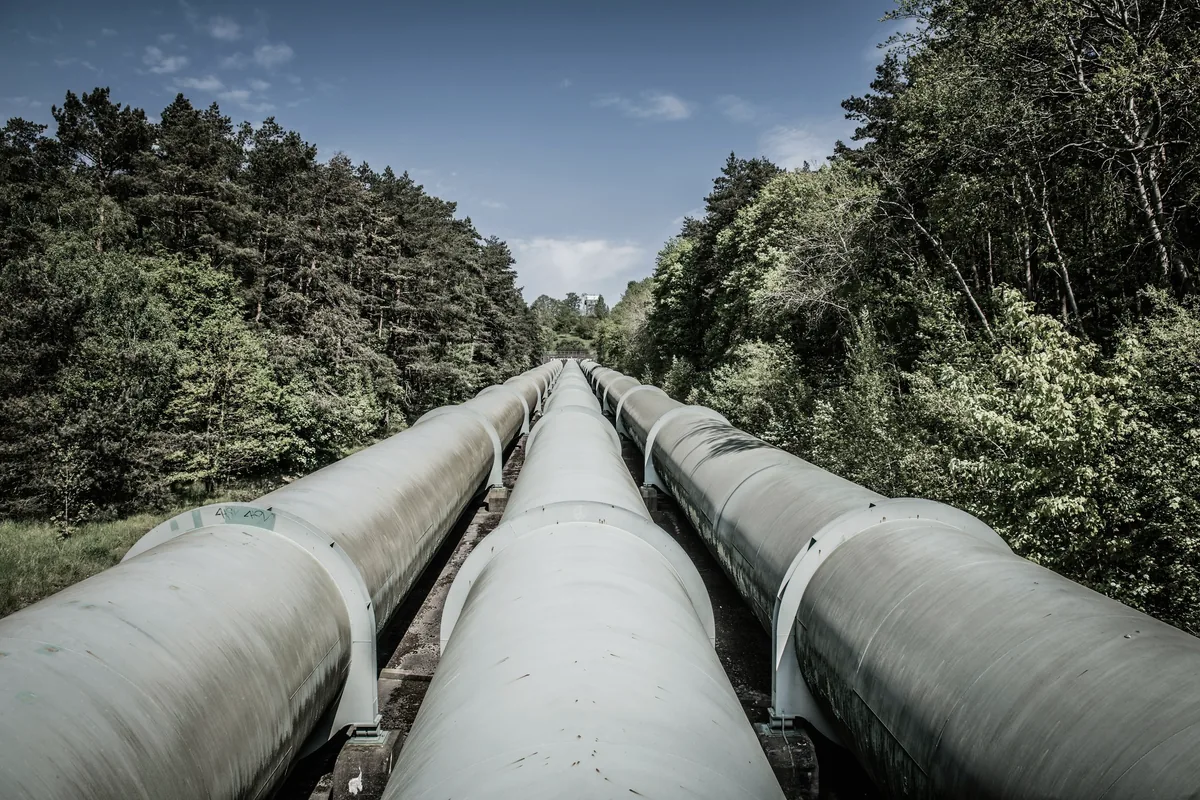
Inspecting on a schedule because nothing says when an asset has changed.
Also: Logistics. Industrial services. Maritime. Space.
Not case studies. Problems worth solving.
Today: A technician walks a production line looking for abnormal equipment conditions.
What if: What if the operation continuously sensed those conditions, understood the likely cause, and initiated the correct response?
Today: Maintenance teams pull information from multiple systems before deciding what an aircraft needs.
What if: What if the relevant condition could be detected, understood, and translated directly into the next maintenance action?
Today: Operators monitor distributed assets and investigate abnormal conditions.
What if: What if the system could identify what matters and initiate or execute the appropriate response?
Today: Teams inspect physical assets on recurring schedules because there is no other reliable way to know when intervention is needed.
What if: What if the asset could tell the operation what was changing, and trigger the response itself?
How we work
We learn the operation from the people doing it.
We identify where humans are bridging the gap between what the systems know and what needs to happen.
Hardware, software, AI, automation. Whatever the problem requires.
The smallest useful deployment should produce a measurable operating result.
Once proven, we expand the capability across the operation or industry.
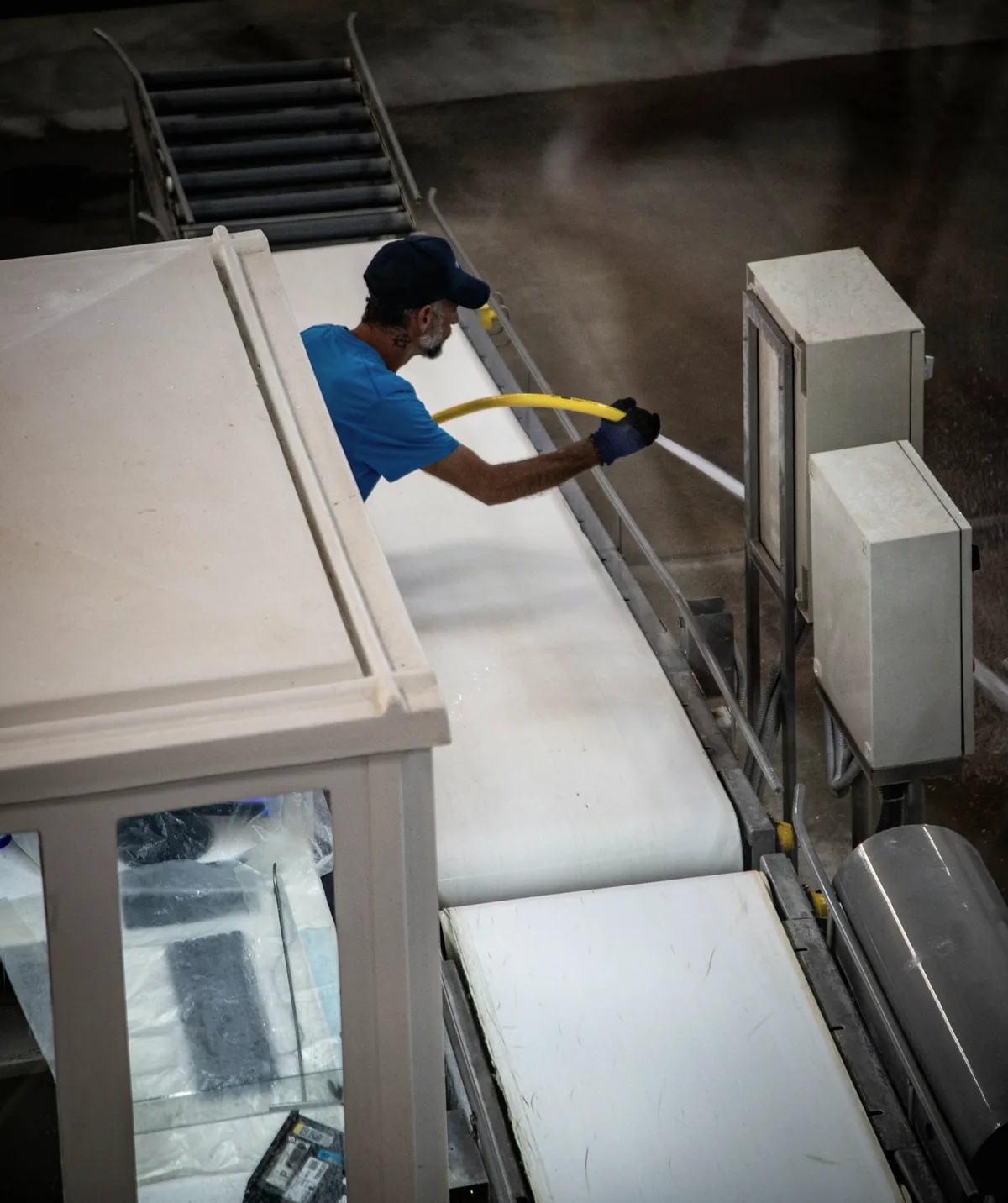
Operational Action Sprint
We study the work, systems, signals, workarounds, and costs to find where technology can make the biggest operational difference. If there’s an opportunity worth proving, we define the smallest practical system. If not, we tell you.
Learn MoreWho we are
Trust
We do not need to own your operational data to create value.
No rip-and-replace. We work with what you already run.
IP and technology ownership are defined before development begins.
Prove value on one specific problem before expanding.
Built to run inside your security, infrastructure, data, and compliance requirements.
Labor, downtime, throughput, reliability, safety, quality. Not an AI demo.
Contact
We read every message. A real person replies.